Unlocking Wellness: Navigating Cancer Treatment Through Community Support and Mind Games
Navigating the tumultuous waters of cancer treatment can often feel like sailing through a storm without a compass. With countless medical terms like carcinoma, malignant tumors, and neoplasia being thrown around, it’s easy to feel overwhelmed. However, amidst the chaos, one of the most powerful tools available to patients is the sense of community. Community support plays a pivotal role in not just surviving but thriving during cancer journeys. How can we harness this strength? Well, let’s dive deeper into the impact of community in cancer care.
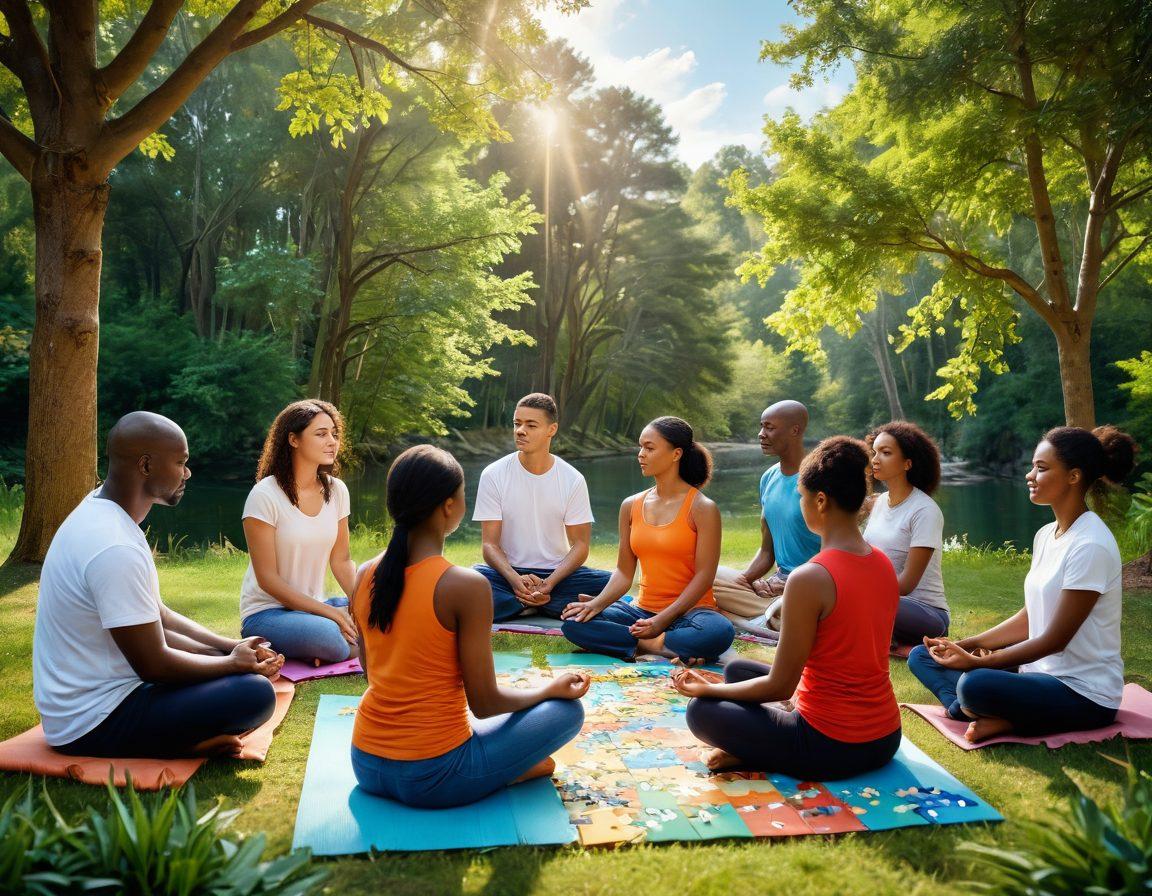
Imagine attending a community support group where individuals share their personal stories, challenges, and triumphs over cancer. Each patient’s journey, from battling malignant cells to undergoing oncology treatments, is unique, yet there’s an undeniable thread of empathy that binds them together. As one survivor poignantly expressed, 'In the tapestry of life, it’s the threads of community that enhance our experiences.' This connection fosters an environment of shared cancer awareness, transforming feelings of isolation and fear into solidarity and hope.
But community support doesn’t solely hinge on face-to-face interactions. In the age of technology, online platforms have become a haven for cancer support discussions. Blogs dedicated to wellness, patient stories, and health education create spaces where individuals can connect and acquire helpful knowledge while remaining within the comfort of their homes. The power of shared experiences can turn the daunting task of deciphering the medical jargon of cancer treatment into manageable steps. Let’s face it, who hasn’t benefited from a few sodoku puzzles after a long day at the hospital? The playful engagement can stimulate mental health and provide a much-needed respite from the rigors of treatment.
Moreover, the concept of mind games and brain training isn’t just an enjoyable pastime. It serves as a therapeutic tool to bolster mental well-being during cancer treatment. From engaging in sodoku strategies to utilizing various sodoku techniques, patients can focus on problem-solving, fostering a sense of accomplishment and control. Just think: how often have those little victories, achieved through mundane yet satisfying sodoku solutions, lifted your spirits when faced with daunting challenges? It’s those tiny moments of joy that can keep one grounded and motivated.
In the spirit of community wellness, engaging in lifestyle changes - be it through entertainment, health blogs, or simple conversation among friends - can contribute positively to the emotional side of healing. We often underestimate the power of sharing our emotions or experiences with others. Whether at a support group, an online forum, or through writing about our journeys on a wellness blog, we can inspire others and create ripples of support across the cancer treatment landscape. After all, as we unlock wellness, how we navigate these challenges together truly matters. So, let’s keep the dialogue open and the community strong!
Brain Games and Beyond: Enhancing Wellness Through Mind Strategies
When faced with a cancer diagnosis, the world as we know it can feel overwhelming and intimidating. But what if I told you that there are small steps we can take to enhance our well-being while navigating the turbulent waters of oncology? It's true! One powerful tool that has emerged in recent years is the use of brain games, particularly sodoku puzzles, to bolster our mental acuity and foster a sense of control over our circumstances. These engaging mind games not only provide entertainment but also serve as a form of cancer support that can significantly impact patients’ mental health during their treatment processes. The connection between mental engagement and overall wellness is more vital than ever, especially amid discussions surrounding cancer awareness and research.
Imagine a patient sitting in a waiting room, nervous, awaiting results from their oncologist. Instead of letting anxiety consume them, they pull out a sodoku puzzle and begin to fill in the numbers. Suddenly, the swirling thoughts of malignant tumors and looming carcinoma take a back seat to the challenge of logic and strategy. As they concentrate on the grid, a sense of empowerment washes over them. "I can solve this!" they might think, which resonates far beyond the puzzle—this simple act transcends their immediate struggles, reminding them that their tenacity is as strong as their desire to tackle their diagnosis. This is the beauty of incorporating brain training into one’s routine during cancer treatment or recovery.
Research indicates that engaging in brain activities can improve cognitive function and enhance focus, both critical elements when facing the physical and emotional toll of neoplasia. Not only do mind games like sodoku help to sharpen our problem-solving skills, but they have also been shown to reduce stress and promote mindfulness. The best part? There’s no wrong way to use sodoku strategies—whether you’re a novice or an expert, each puzzle serves as a stepping stone toward improved mental resilience. What strategies can you implement today to enhance your well-being? Start small, and challenge yourself to complete one sodoku puzzle a day.
But let’s not forget that health education isn’t solely about individual pursuits; it thrives in community discussions. Imagine a group of cancer survivors gathering to share their favorite sodoku techniques while offering encouragement and camaraderie. Community support can transform the daunting journey through cancer treatment into something more manageable, even enjoyable. Some might share their best sodoku tips or solutions, and the laughter and connection that emerge create a unique bond—one that reinforces emotional strength during turbulent times. How has community support impacted your perception of well-being?
In this lifestyle blog, we invite you to turn the page on navigating cancer treatment with a sense of agency and creativity. Try incorporating brain games into your daily routine, join local or online support groups, and share patient stories that empower others. Remember, wellness is a journey, not a destination, and with each sodoku puzzle solved, you are not just enhancing your mental faculties; you are building a resilient mindset to face whatever challenges may lie ahead. Together, let’s unlock the door to wellness, turning trials into triumphs, one puzzle at a time.
Unite and Conquer: How Support Networks Facilitate Healing in Oncology
In the realm of oncology, where the battle against cancer requires not just medical intervention but also emotional resilience, support networks play a pivotal role. Imagine facing a malignant tumor, feeling isolated in a world of uncertainty and fear. Now picture a community rallying around you, sharing stories, resources, and hope. This community support is often the backbone of healing, transforming a daunting journey into one filled with possibilities and resilience. Merging health education with collective strength, these invaluable connections can foster a sense of belonging, crucial for maintaining mental health and promoting well-being during cancer treatment.
Picture this: it's a crisp afternoon, and you’re sitting in a cozy room surrounded by soft chatter and laughter. Perhaps this is a support group meeting, where cancer patients share their personal stories. Each tale is a testament to the human spirit’s incredible capacity to confront challenges such as carcinoma with courage and grace. "You're stronger than you think, and together we can conquer this," a fellow warrior might say, their words echoing the sentiments of solidarity! Such gatherings serve as not just a reminder that you’re not alone, but also a source of practical advice stemming from shared experiences. The support tactics discussed often include practical tips for dealing with treatment, alongside cancer awareness messages that resonate with everyone in the circle.
In addition to emotional backing, mental stimulation emerges as a powerful ally in the war against cancer. Engaging in mind games like Sudoku puzzles can serve dual purposes—entertainment and mental training. As you solve the intricate patterns of numbers, you’re not merely distracting yourself; you’re engaging your brain in a meaningful way. This type of brain training fosters cognitive resilience, which can be particularly beneficial for patients undergoing strenuous treatments. The strategies and techniques you develop through Sudoku enhance your critical thinking, providing a much-needed clarity amidst the chaos of cancer treatment. Care to join a community discussing Sudoku tips and solutions? Dive into the world of brain games where cheerful competition reigns supreme!
The landscape of cancer treatment continues to evolve, with cancer research shedding light on innovative therapies and the importance of community discussions. Have you ever wondered how your participation in a support group can influence ongoing research in oncology? Every shared experience contributes to a larger pool of knowledge that researchers can tap into. Your stories become a part of the narrative that drives forward cancer research and awareness. How marvelous is it that within those walls of support, you not only find healing but also potentially contribute to groundbreaking discoveries that could transform the lives of future patients?
Being part of a larger community, one that embraces openness and discussion, can alleviate the anxieties associated with neoplasia. Every heartwarming encounter, every shared insight, and every ounce of laughter can profoundly uplift one’s spirits. As we let go of isolation, we harness the power of social connectivity. So, what’s your next step? Whether it’s joining a local wellness blog or participating in an online support chat, remember that your journey matters. Embrace the power of community, engage in fun mental exercises like Sudoku to stimulate your mind, and flip the narrative from fighting cancer alone to uniting and conquering together. The road to healing is often shared—let's walk it hand in hand!